Understanding Visual Storytelling Across Cultures
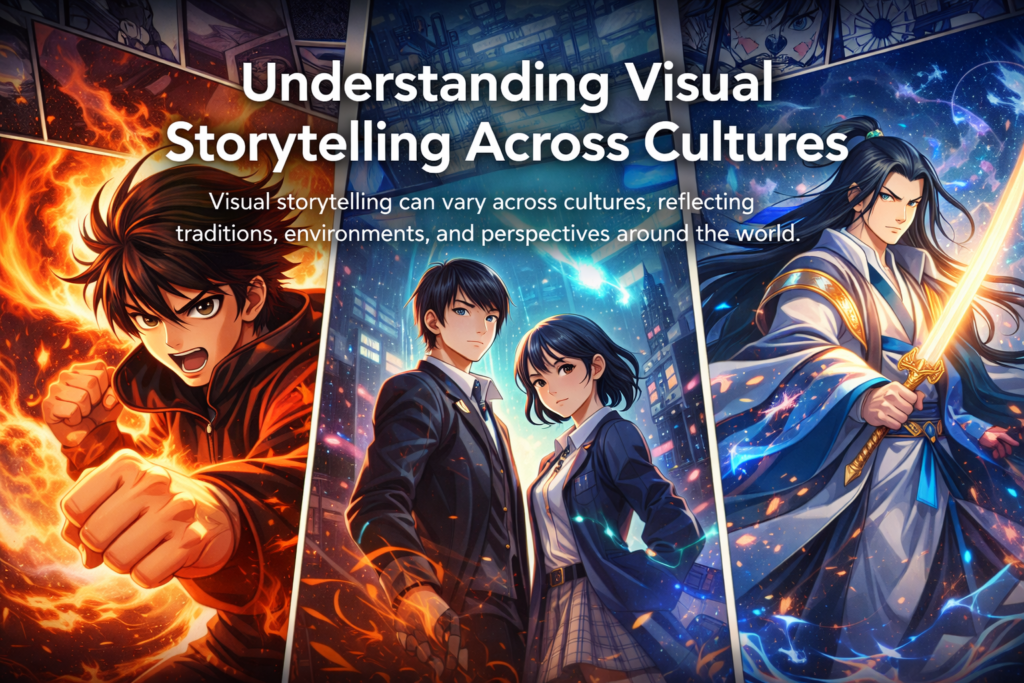
Comics are a universal language. They transcend borders, blend art with narrative, and adapt seamlessly to cultural nuance. Yet not all comics are created in the same tradition. Across the globe, distinct forms have emerged, each shaped by history, audience, and artistic philosophy. Exploring The Difference Between Comics, Manga, Manhua, and Manhwa offers insight into how visual storytelling evolves within different cultural ecosystems.
Though often grouped together, these formats represent unique approaches to pacing, art, and narrative structure.
What Defines a Comic?
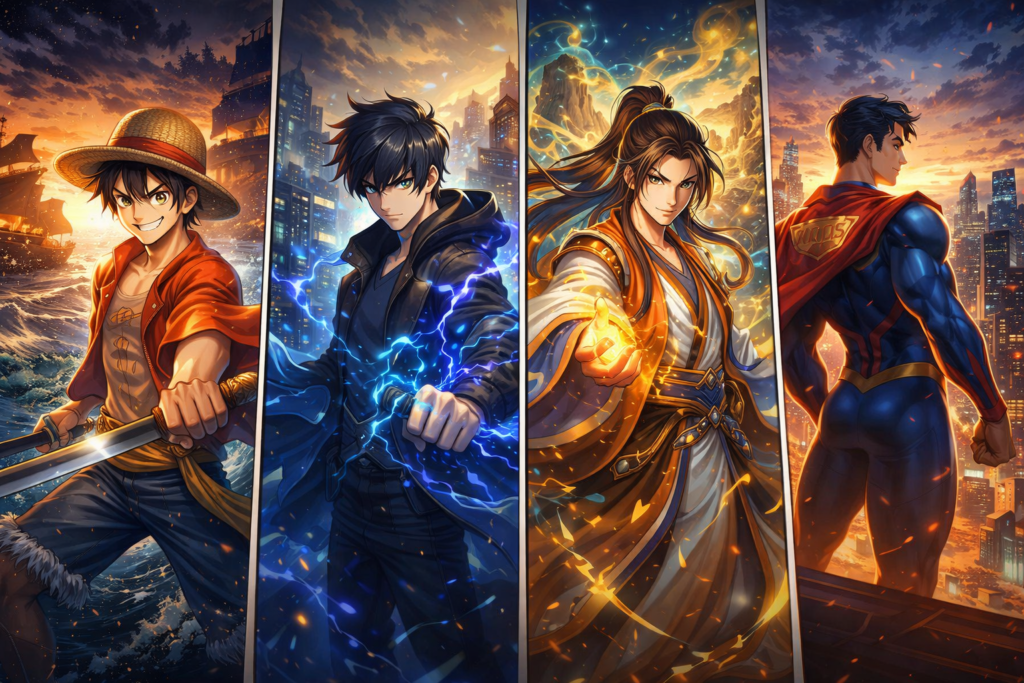
In its broadest sense, a comic is a sequential art form that uses images arranged in panels to convey a story. Western comics, particularly those originating from the United States and Europe, have historically been published in serialized issues or collected volumes.
Western comics emphasize bold linework, dramatic compositions, and a strong focus on individual heroes. Color plays a central role, often vibrant and symbolic. Narratives frequently revolve around self-contained arcs, though long-running continuities also exist.
The comic format prioritizes immediacy. Stories move quickly. Visual impact is paramount.
Manga: Japan’s Narrative Precision
Manga represents Japan’s distinct evolution of the comic medium.
Typically published in black and white, manga places emphasis on pacing, atmosphere, and emotional subtlety. Panels are read from right to left, reflecting traditional Japanese reading order. This structural difference alone reshapes how stories are consumed.
Manga often explores internal monologue and character psychology in depth. A single moment can span multiple pages. Silence is used intentionally. Visual minimalism contrasts with emotional density.
Within The Difference Between Comics, Manga, Manhua, and Manhwa, manga stands out for its narrative patience and genre diversity, appealing to readers of all ages and interests.
Manhua: Chinese Tradition and Modern Hybridization
Manhua refers to comics originating from China and Chinese-speaking regions.
Historically influenced by classical Chinese art and political illustration, manhua has undergone significant transformation in recent decades. Modern manhua often blends traditional aesthetics with contemporary digital techniques.
Unlike manga, manhua is typically read left to right, aligning with modern Chinese text orientation. Color is used extensively, especially in digital formats. Themes frequently draw from mythology, historical epics, martial arts, and fantasy.
Manhua occupies a hybrid space. It bridges cultural heritage with globalized storytelling trends, making it a distinct pillar within The Difference Between Comics, Manga, Manhua, and Manhwa.
Manhwa: Korea’s Digital-First Evolution
Manhwa originates from South Korea and has become synonymous with digital comics.
While early manhwa shared similarities with manga, modern manhwa has carved its own identity, particularly through webtoon platforms. These stories are designed for vertical scrolling, optimized for mobile consumption.
Color is a defining feature. Layouts are spacious. Transitions rely on scrolling rather than page turns. This creates a cinematic rhythm unique to manhwa.
Narratively, manhwa often emphasizes progression, long-term character growth, and immersive world hookup. Genres like fantasy, romance, and action dominate the landscape.
Within The Difference Between Comics, Manga, Manhua, and Manhwa, manhwa represents the most digitally native evolution of the medium.
Art Styles and Visual Philosophy
Artistic approach varies significantly across these forms.
Western comics favor anatomical realism and dynamic poses. Manga embraces stylization, exaggerated expressions, and symbolic visuals. Manhua often integrates painterly influences and ornate detail. Manhwa leans toward clean lines, modern aesthetics, and consistent character design.
These differences are not merely cosmetic. They reflect cultural storytelling priorities and audience expectations.
Visual language shapes emotional response.
Narrative Structure and Pacing
Storytelling rhythm is another key distinction.
Western comics often prioritize episodic structure. Manga thrives on long-form serialization. Manhua may balance episodic and serialized formats. Manhwa excels in cliffhanger-driven chapters designed for weekly digital release.
This variance affects reader engagement. Some formats invite binge reading. Others encourage contemplation.
Understanding The Difference Between Comics, Manga, Manhua, and Manhwa means recognizing how time itself is handled within each tradition.
Cultural Context and Themes
Each format mirrors its cultural environment.
Western comics frequently explore individualism, heroism, and moral absolutism. Manga delves into identity, social pressure, and existential growth. Manhua reflects historical legacy and philosophical undertones. Manhwa often engages with hierarchy, ambition, and personal reinvention.
These thematic inclinations are not rigid rules, but recurring patterns shaped by societal values.
Comics become cultural artifacts.
Global Convergence and Reader Choice
In today’s interconnected world, these distinctions are increasingly fluid.
Creators borrow techniques across borders. Readers consume multiple formats interchangeably. Digital platforms accelerate cross-cultural exposure.
Yet differences remain meaningful. They offer variety. They enrich the medium.
Recognizing The Difference Between Comics, Manga, Manhua, and Manhwa empowers readers to explore stories with greater appreciation and discernment.
Conclusion: One Medium, Many Voices
Comics, manga, manhua, and manhwa share a common foundation but speak in different dialects.
Each format represents a unique synthesis of art, culture, and narrative intent. Together, they demonstrate the boundless versatility of visual storytelling.
In understanding their differences, one truth becomes clear. Comics are not a single tradition. They are a global conversation—told in panels, shaped by culture, and sustained by imagination.